BREAKING: Pro Football Hall of Fame Shakes Up Voting Panel After Controversial Bill Belichick Debate
The Pro Football Hall of Fame is facing one of its most uncomfortable moments in recent memory, and it has nothing to do with a player’s stats or a coach’s résumé. Behind closed doors, a quiet but decisive move has sent shockwaves through the football world: three Hall of Fame voters have been replaced following internal concerns about subjective voting tied to the ongoing Bill Belichick Hall of Fame discussion.
According to sources familiar with the process, the decision came after growing unease among Hall officials and senior selectors who felt the integrity of the voting process was being tested. While the Hall has always insisted that its standards are rooted in objectivity, performance, and historical impact, the Belichick debate exposed deep philosophical divides among voters—divides that allegedly crossed from healthy disagreement into personal bias.
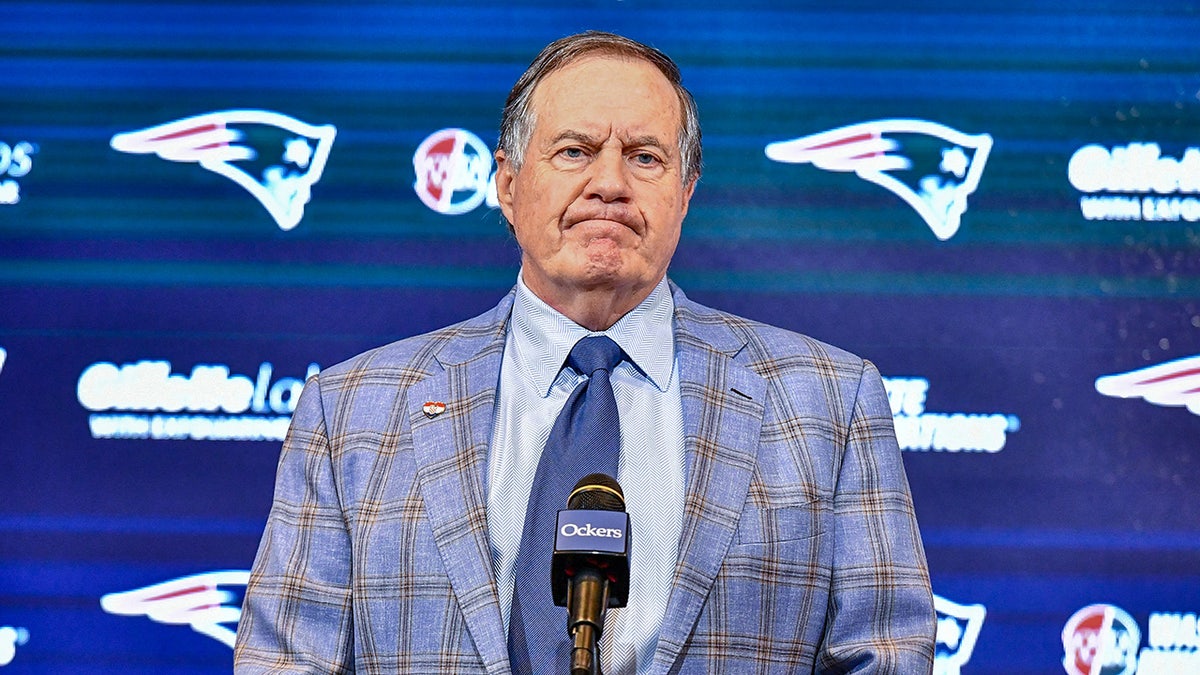
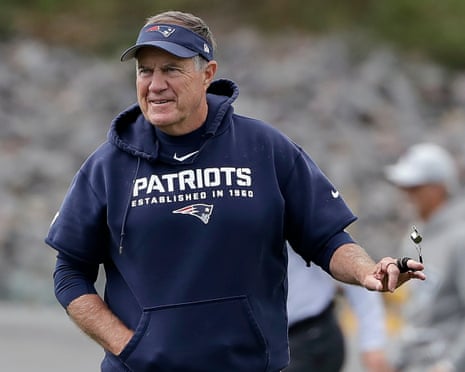
Bill Belichick, widely regarded as one of the most influential figures in NFL history, is no stranger to controversy. His six Super Bowl titles as head coach, revolutionary defensive schemes, and unmatched longevity would normally make his Hall of Fame case airtight. Yet, insiders say discussions surrounding his legacy became unusually heated, with some voters focusing less on accomplishments and more on subjective interpretations of his leadership style, public persona, and post-Patriots career narrative.
That shift raised red flags.
Multiple Hall insiders describe meetings where arguments drifted away from documented achievements and into emotionally charged territory. Some voters were accused of allowing personal feelings—both admiration and resentment—to influence their stance. In response, Hall leadership reportedly launched a quiet internal review of the voting process, ultimately concluding that changes were necessary to protect credibility.
The result: three long-standing voters were removed and replaced ahead of future ballots.
The Hall of Fame has not publicly named the voters involved or detailed the exact reasoning behind each change, fueling speculation across sports media and fan communities. Critics argue that removing voters sets a dangerous precedent, suggesting that dissenting opinions are being punished. Supporters counter that the move was overdue, claiming the Hall must evolve to ensure fairness in an era where narratives often overshadow facts.
What makes this situation even more dramatic is the timing. Belichick’s Hall of Fame eligibility represents more than one individual—it symbolizes how modern football history will be judged. Is greatness measured strictly by championships and innovation, or do character, controversy, and public perception carry weight? The answer appears far from unanimous.
For fans in the United States, the controversy has reopened a long-simmering question: how transparent should the Hall of Fame really be? Unlike player contracts or league discipline, Hall voting remains largely shielded from public scrutiny. This latest shake-up has intensified calls for reform, with some demanding clearer guidelines and others pushing for partial disclosure of voting rationales.
One thing is certain: the Pro Football Hall of Fame wanted to avoid a public storm, but instead may have ignited a larger one. As Belichick’s legacy continues to be debated, the spotlight has shifted from the man himself to the system judging him.
And now, every future Hall of Fame vote will be watched more closely than ever.